








Protect Your Team from Winter’s Hidden Dangers
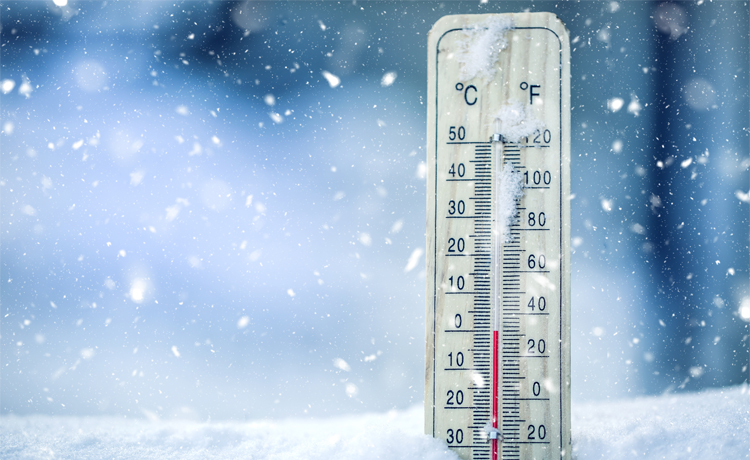
As temperatures drop and winter sets in, outdoor field teams face increased risks from cold exposure.
Cold stress happens when the body cannot maintain its normal internal temperature. Prolonged exposure can quickly lead to serious conditions such as frostbite and hypothermia.
We aren’t just talking about bundled up children making a snowman outside and then coming in 20 minutes later to warm up by the fire.
The risk here is employees who are outside for long periods of time facing the bitter cold and harsh weather.
OSHA emphasizes these hazards are real, preventable, and part of an employer’s responsibility under the general duty clause to provide a workplace free from recognized hazards likely to cause death or serious physical harm.
Understanding how to recognize and prevent cold stress is essential for keeping your workforce safe and productive throughout the winter months.
Recognizing Cold Stress
Cold stress can affect anyone working outdoors or in unheated or poorly insulated areas.
The risk increases as temperatures drop and wind speeds rise, as heat leaves the body faster than it can be replaced.
Frostbite
- Skin may appear white, grayish-yellow, or waxy
- Numbness, tingling, or loss of sensation in fingers, toes, ears, or nose
- Affected areas may feel unusually firm or frozen
Hypothermia
- Shivering or uncontrollable shaking
- Confusion, slurred speech, or loss of coordination
- Slow breathing and extreme fatigue
Hypothermia is a medical emergency. If signs appear, get immediate medical help.
Employer Requirements
OSHA does not have a specific cold stress standard, but employers are required to protect employees from recognized hazards, including cold stress.
This means training, planning, and hazard mitigation for conditions that are likely to cause serious harm.
- Hazard recognition and training: Train workers on cold stress risks, symptoms, and prevention strategies. This includes understanding wind chill effects and how cold conditions can worsen over the course of a shift. Employers should train both workers and supervisors.
- Monitoring workers: Employers should monitor both environmental conditions and workers’ physical conditions, especially for new employees or those returning from time away. Supervisors play a pivotal role in recognizing cold stress and should monitor their teams closely in conditions that could lead to cold stress.
- Providing protective equipment: Employers should provide appropriate personal protective equipment like insulated gloves, waterproof boots, and layered clothing when cold exposure is expected.
- Implementing safe work practices: Adjust work schedules to take advantage of warmer parts of the day, use a buddy system, and ensure frequent warm breaks are taken.
Best Practices
In addition to what OSHA requires, there are practical steps that help reduce cold stress and create a safer work environment.
Dress in Layers
- Base layer: Moisture-wicking material to keep skin dry
- Middle layer: Insulating materials such as fleece or wool
- Outer layer: Waterproof and wind-resistant shell
Layering helps protect against wind and moisture while trapping warmth close to the body.
This layering method is good practice for anyone who is spending prolonged periods of time in the cold, but it is essential for the safety of workers who are working under frigid conditions.
Protect Extremities
- Insulated gloves or mittens
- Thermal socks and waterproof boots
- Hats, face coverings, and balaclavas to protect exposed skin
Extremities lose heat fastest, and proper protection can prevent frostbite before it begins.
Stay Hydrated
The body loses moisture even in cold weather.
Encourage workers to drink water regularly and avoid caffeine, which contributes to dehydration.
Consider the temperature of the water that is being provided to your workers as ice cold water is not the best choice as it would cause a drop in the internal temperature of your workers.
Our bodies absorb water most efficiently when it is room temperature.
Rotate Tasks, Take Warm-Up Breaks
- Rotate employees to limit continuous exposure
- Use heated vehicles, warming stations, or break rooms
- Change out of wet clothing quickly
Frequent warmup breaks give the body a chance to recover from cold exposure before symptoms worsen.
Plan Work Schedules
When possible, schedule the most cold-intensive tasks for the warmer parts of the day.
Monitor forecasts and wind chill indexes to make informed decisions about task timing.
Training, Communication Matter
Employer training should include how to recognize early signs of cold stress, how to use cold weather personal protective equipment properly, and what to do if a worker shows symptoms.
Equipping supervisors and teams with these skills not only meets OSHA expectations, but fosters a culture where safety is practiced and not just displayed on signs.
Good communication ensures everyone understands the risks, prevention strategies, and how to get help.
As weather changes throughout the season, reminding teams of best practices and adjusting plans accordingly demonstrates leadership commitment to safety.
Shared Responsibility
Cold stress is preventable, but it requires planning, training, and vigilance.
Knowing the hazards, recognizing early symptoms, and taking proactive steps, both required and recommended, will keep outdoor and field teams safe, healthy, and productive throughout the winter season.
For more information, contact CBIA’s Delmarina López (860.244.1982).
RELATED
EXPLORE BY CATEGORY


Stay Connected with CBIA News Digests
The latest news and information delivered directly to your inbox.

CBIA IS FIGHTING TO MAKE CONNECTICUT A TOP STATE FOR BUSINESS, JOBS, AND ECONOMIC GROWTH. A BETTER BUSINESS CLIMATE MEANS A BRIGHTER FUTURE FOR EVERYONE.