







Sales Tax Measure Targets Small Business Energy Costs
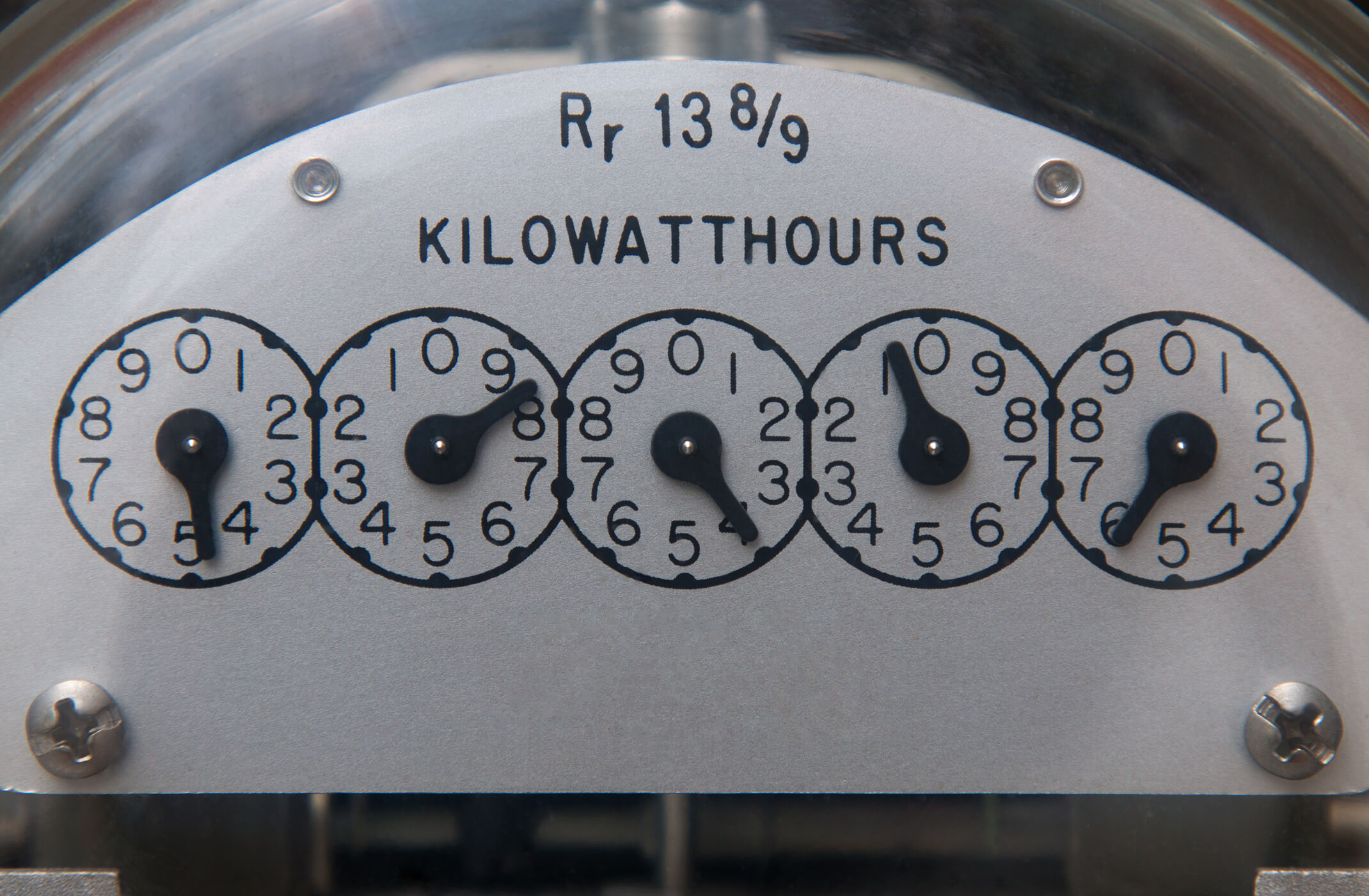
A Connecticut General Assembly proposal to eliminate the state sales tax on some commercial and industrial energy purchases could deliver immediate relief to small and midsized businesses.
SB 2 exempts electricity and natural gas purchases by commercial and industrial customers with less than $10 million in annual gross income from the 6.35% state sales tax.
Co-sponsored by 23 of the 25 members of the Senate Democratic caucus, the measure directly addresses high energy prices, one of the most significant cost challenges facing Connecticut businesses.
CBIA’s 2026 Policy Solutions, which focuses on lowering costs and improving small business competitiveness, features a recommendation to eliminate the sales tax for all commercial energy consumers—matching neighboring Rhode Island.
As of November 2025, Connecticut’s commercial and industrial electricity rates ranked sixth highest in the country, with commercial rates 61% higher than the U.S. average and industrial rates 110% higher.
Commercial natural gas rates were 0.75% higher than the national average in November, while industrial rates were 98% higher.
‘Top Focus’
CBIA senior policy director Pete Myers noted that high utility bills erode margins, limit hiring, and discourage expansion.
“Helping our state’s small businesses is a top focus for CBIA,” Myers said.
“We applaud lawmakers’ willingness to prioritize lowering energy costs for smaller employers—often the least able to absorb rising costs.”
Myers added that while the bill stops short of exempting all businesses, “it represents a significant step toward reducing the cost burden on smaller companies.”
“It represents a significant step toward reducing the cost burden on smaller companies.”
CBIA’s Pete Myers
For energy intensive operations such as manufacturers, food service providers, and small retailers, the savings will free up much-needed capital for reinvestment, workforce expansion, or long-term financial stability.
SB 2 also redirect revenue from the existing 1% meals tax surcharge to the state’s Tourism Fund and to local municipalities.
The bill was referred to the Finance, Revenue, and Bonding Committee, where lawmakers will consider its fiscal impact and broader economic implications.
If approved by the legislature, SB 2 will mark one of the most direct efforts in recent years to address energy cost pressures on Connecticut businesses.
For more information, contact CBIA’s Pete Myers (860.244.1921).
1 thought on “Sales Tax Measure Targets Small Business Energy Costs”
Leave a Reply
RELATED
EXPLORE BY CATEGORY


Stay Connected with CBIA News Digests
The latest news and information delivered directly to your inbox.

CBIA IS FIGHTING TO MAKE CONNECTICUT A TOP STATE FOR BUSINESS, JOBS, AND ECONOMIC GROWTH. A BETTER BUSINESS CLIMATE MEANS A BRIGHTER FUTURE FOR EVERYONE.
Our family’s business has 8,000 sf of manufacturing space. Our energy costs average $4,000/month!!! Our competitors in NY, NC and MI pay a fraction of that. This makes it difficult to compete.