


OSHA Releases New Battery Safety Resource
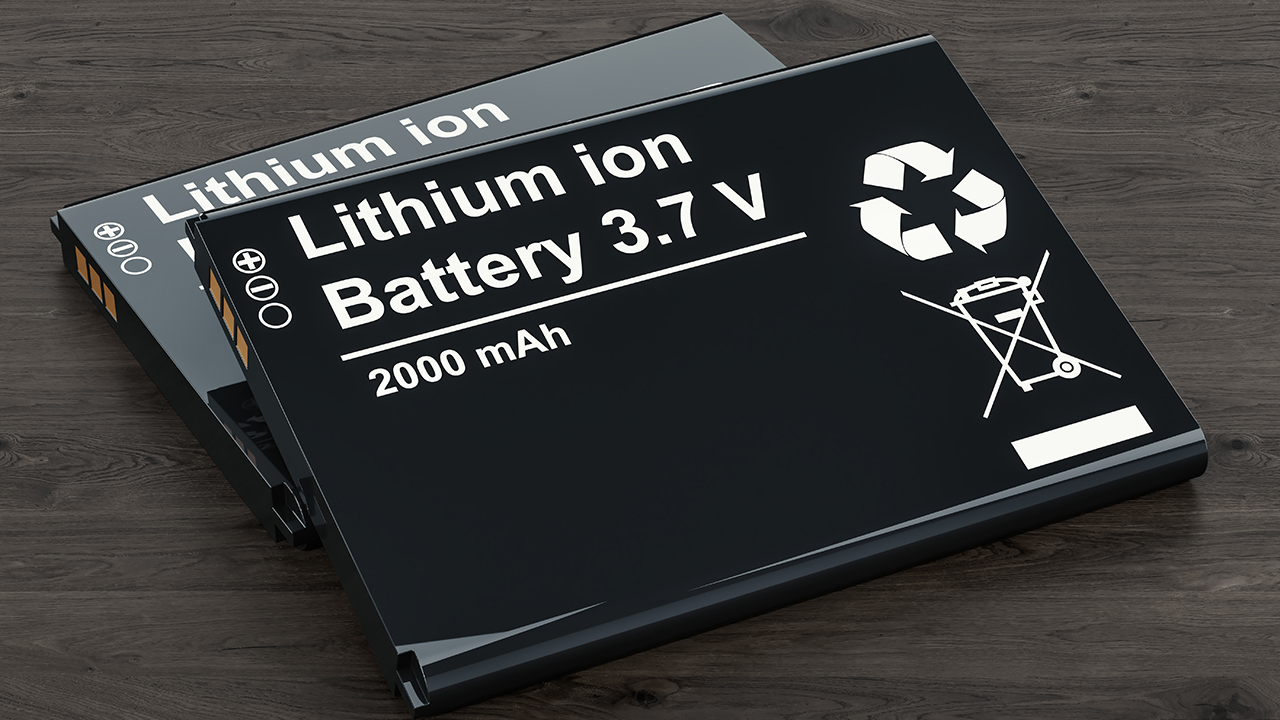
From small laptops to electric vehicles and forklifts, and many of the tools used in manufacturing sized in between, rechargeable lithium-ion batteries have become increasingly popular for their effective battery life, convenience and at times compact size.
However, these batteries also present potential risks that employers should not overlook such as potential fire, electrical, and chemical hazards.
In an effort to spread awareness and guidance to employers, the Occupational Safety and Health Administration has released a new Safety and Health Topics page on Lithium-Ion Battery Safety.
The new SHTP provides technical information based on currently available guidance, OSHA standards, and national consensus standards.
This information includes recommendations for identifying workplace hazards, evaluating employee exposure, and implementing appropriate safety measures.
Why This Matters
Although lithium-ion batteries have become increasingly popular, the risks associated with improper usage, storage, or charging can create serious workplace hazards.
This should not be taken lightly and requires thought and action from an organization’s leadership to ensure there are policies and safety programs in place to minimize the avoidable risks associated with improper usage.
These risks are not limited to manufacturing or industrial facilities.
Offices, warehouses, construction sites, and many other workplaces may use lithium-ion battery powered equipment that requires proper usage and storage.
Thermal Runway
One of the primary risks associated with lithium-ion batteries is thermal runway which can occur during the overheating of the battery.
Thermal runway can be triggered by several factors including physical damage, manufacturing defects, exposure to extreme temperatures (not just heat!), improper charging and incompatible charging sources.
This is not always predictable, which is why employers should train employees on how to safely and effectively react if thermal runway occurs.
What OSHA Requires
OSHA encourages employers to identify potential battery related hazards and implement appropriate safeguards.
Although there is not a specific OSHA standard governing lithium-ion batteries, several other standards apply depending on how the batteries are being used, handled and stored.
And, of course, OSHA’s general duty clause always applies.
OSHA’s new SHTP does not establish additional regulatory requirements.
Instead, it provides guidance and resources to ensure that employers are better equipped to address hazards, understand the risks, and maintain safe work environments.
For more information, contact CBIA’s Delmarina López.
RELATED
EXPLORE BY CATEGORY


Stay Connected with CBIA News Digests
The latest news and information delivered directly to your inbox.

CBIA IS FIGHTING TO MAKE CONNECTICUT A TOP STATE FOR BUSINESS, JOBS, AND ECONOMIC GROWTH. A BETTER BUSINESS CLIMATE MEANS A BRIGHTER FUTURE FOR EVERYONE.