







Smart Glasses, AI Voice Recorders, and Workplace Recordings
The following article was first published on Shipman & Goodwin attorney Dan Schwartz’ Connecticut Employment Law Blog. It is reposted here with permission.
Ten years ago, I discussed how smartphones made recording conversations easier for employees.
That post seems quaint compared to today’s technology—like that iPod I saw in a museum.
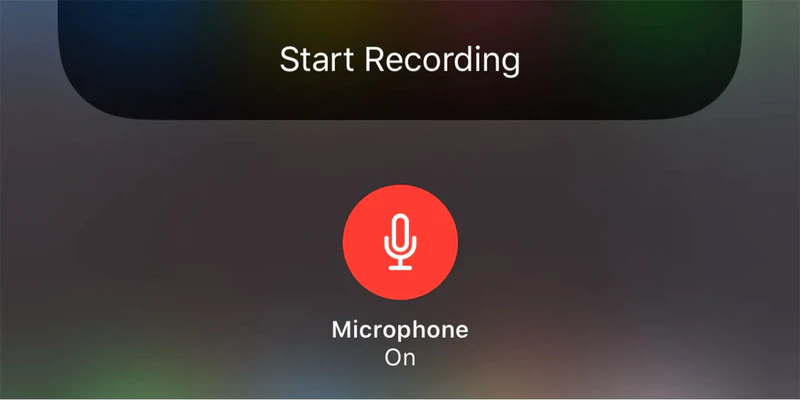
Now employers need to worry about devices like Plaud—sleek call recorders and AI note-takers—and Ray‑Ban Meta glasses, which record audio and video by tap or voice, simplify and enhance recording.
And then there are meeting bots that auto-join Zoom or Teams and generate searchable transcripts make this worth reconsidering.
Employers should set ground rules before recordings unexpectedly become central in disputes.
Connecticut Consent Law Overview
Connecticut allows recording in-person conversations with one-party consent, but prohibits third-party recording without a participant’s consent.
Telephonic and in-person recordings are treated differently.
The best suggestion is to always get express consent from all participants before recording.
Employers have another law to follow regarding electronic monitoring employees.
Employers cannot monitor restrooms, locker rooms, or lounges; must give written notice before electronic monitoring; and need consent from all parties to record contract negotiations. (There are some exceptions to ask your counsel about.)
Video platforms blur categories but the best suggestion is to always get express consent from all participants before recording or using AI transcription.
Why AI Tools Complicate Consent, Context
AI recorders alter risk in three ways.
First, they reduce visibility. Discreet devices like small recorders, smart glasses, or auto-joining AI bots can capture hours of audio without traditional alerts.
Second, they increase data exposure. Cloud sync, transcription, and AI summaries turn recordings into searchable text that can be easily shared, raising confidentiality, retention, and jurisdiction issues.
Third, they remove nuance. AI summaries can omit context, misattribute speakers, or reduce detailed coaching scripts to vague lines. In disputes, an unverified transcript may seem more convincing than the complex reality.
Cloud sync, transcription, and AI summaries turn recordings into searchable text that can be easily shared.
Think about this example: In a glass-walled meeting, an employee uses Ray-Ban smart glasses to record the discussion and uploads an AI-generated transcript to personal cloud storage.
While legal, this creates a confidentiality risk, as the transcript can be shared beyond authorized personnel.
Switch to a remote phone one‑on‑one. If the employee secretly records with Plaud, does this violate Connecticut’s all‑party consent law?
Regardless, it might prompt internal policy or disciplinary issues.
What Should Employers Do?
Here are a few suggestions to update your existing policies:
- Adopt a modern, specific policy: ban secret recordings where legal, allow clear legal exceptions, and avoid broad language that could restrict protected labor activity.
- Cross-reference your electronic monitoring notice so employees know when the company records.
- Set expectations for important meetings. Establish guidelines on when employees can record conversations and whether their consent is needed.
- Train managers to stay calm when encountering AI devices. Use a script: “Company policy prohibits recording meetings without consent; we are not recording and ask that you do not record.”
- And make sure that for multi-state calls, you’re following the strictest consent rule and confirming consent in advance.
Ultimately, having clear ground rules, meeting standards, and some manager training are sufficient.
You don’t necessarily need to ban smart glasses or AI notes to manage risks in 2026, but reminding employees about what is and is not allowed is probably a good first step.
About the author: Dan Schwartz is a partner at Shipman & Goodwin and has decades of experience solving complex, employment law problems for companies.
RELATED
EXPLORE BY CATEGORY


Stay Connected with CBIA News Digests
The latest news and information delivered directly to your inbox.

CBIA IS FIGHTING TO MAKE CONNECTICUT A TOP STATE FOR BUSINESS, JOBS, AND ECONOMIC GROWTH. A BETTER BUSINESS CLIMATE MEANS A BRIGHTER FUTURE FOR EVERYONE.