








Nuclear Power Summit Tackles Regional Energy Needs
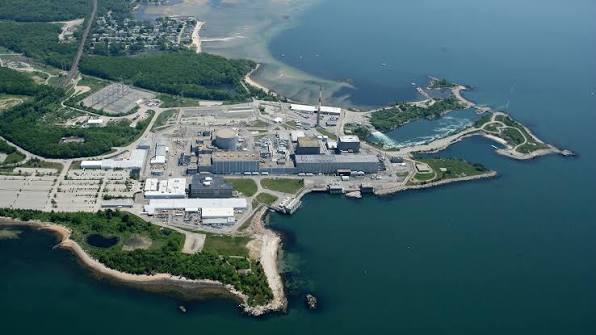
Connecticut will join its New England neighbors at a Sept. 30 summit that could impact long-term electricity rates, grid reliability, and regional competitiveness.
Energy officials, utility executives, and industry experts will meet at the University of Massachusetts Lowell for the New England Regional Nuclear Policy Summit.
The one-day event follows a joint statement earlier this year in which the governors of Connecticut, Maine, Massachusetts, New Hampshire, Rhode Island, and Vermont pledged to keep the region’s existing nuclear plants running while exploring advanced nuclear and fusion technologies.
For companies watching their utility bills, the timing is notable: ISO New England, the regional grid operator, projects electricity demand will climb more than 40% over the next two decades, with winter peak demand expected to double by 2045.
That trend has policymakers, utilities, regulators, and large power users increasingly worried about supply and cost.
Agenda
The summit’s agenda centers on questions with direct commercial stakes: how advanced nuclear and fusion technologies could affect energy costs and grid reliability.
That includes what financing models and federal funding mechanisms could support new nuclear development, and how the region can capture job growth and economic development from next-generation reactors.
For manufacturers, data center operators, and other energy-intensive businesses, the outcome of these discussions could shape long-term siting and investment decisions across the region.
The gathering also arrives amid heightened scrutiny of New England’s nuclear ownership landscape.
The outcome of these discussions could shape long-term siting and investment decisions across the region.
Connecticut regulators are currently challenging NextEra Energy’s proposed $67 billion acquisition of Dominion Energy.
That deal would place the region’s only two operating nuclear plants—Millstone in Waterford and Seabrook Station in New Hampshire—under a single owner.
Those two plants together supply roughly 20% to 25% of New England’s annual electricity need, and state officials have warned that consolidated ownership could dampen competition and push electricity costs higher.
Connecticut’s Department of Energy and Environmental Protection will represent the state at the summit, building on a public engagement process the agency launched last December to gather community and stakeholder input on advanced nuclear siting.
RELATED
EXPLORE BY CATEGORY



Stay Connected with CBIA News Digests
The latest news and information delivered directly to your inbox.

CBIA IS FIGHTING TO MAKE CONNECTICUT A TOP STATE FOR BUSINESS, JOBS, AND ECONOMIC GROWTH. A BETTER BUSINESS CLIMATE MEANS A BRIGHTER FUTURE FOR EVERYONE.