








Preparing for Workplace Immigration Enforcement
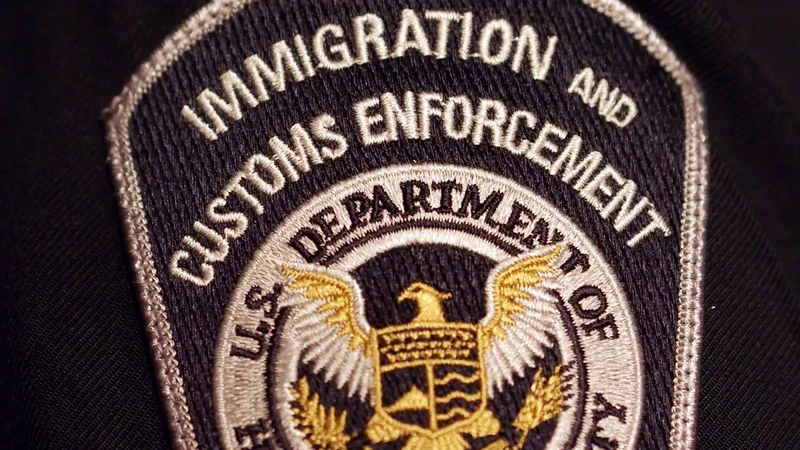
With federal agencies stepping up immigration enforcement in the workplace, it’s never been more important for HR professionals to be proactive and prepared.
“Across the board it’s definitely a challenging time right now,” Carmody Torrance Sandak & Hennessey partner Lauren Hopwood said at CBIA’s 2026 Human Resources Conference May 20 in Bristol.
“A lot of employers are concerned about how to be best prepared if the government comes knocking.”
That concern extends beyond employers.
Workers are also navigating uncertainty about their rights, status, and how to respond if federal agents arrive at a workplace.
That message drove the discussion as Hopwood and Carmody associate Johanna Bachmair walked HR professionals through how to respond if Immigration and Customs Enforcement officers show up at a workplace.
ICE Authority
They also highlighted the distinction between judicial and administrative warrants, how employers should communicate with workers, and what steps companies can take now to reduce I-9 compliance risk.
Bachmair said a key concept for employers to understand is that ICE’s authority changes depending on where officers are.
“Legally, ICE has different authority in public spaces,” she said, pointing to areas like sidewalks, parking lots, and public lobbies.
She said ICE does not have the right to enter private spaces without either a valid judicial warrant or consent.

Federal guidance says employers generally receive at least three business days notice before an inspection of Form I-9 records.
However, officials may use subpoenas and warrants in some situations without that notice.
Bachmair said it’s important for employers to review any warrant—focusing on who issued it, who signed it, whether it lists the correct address, and whether it’s still valid.
“It does have to be signed by a judge or a magistrate judge, and that does not include immigration judges,” she said.
By contrast, an immigration officer would sign an administrative warrant, which Bachmair noted would not legally authorize officers to enter private property.
Preparedness Planning
Both speakers stressed that preparation should begin well before any enforcement action.
They recommend companies designate trained point people to interact with officers, make decisions on behalf of the organization, and communicate a clear plan companywide.
“It highlights the importance of having a really detailed plan that’s communicated companywide,” Hopwood said.
“Panic—complete scramble—is not a position any employer wants to be in.”
Carmody Torrance’s Lauren Hopwood
“If things are a mess and disjointed, panic—complete scramble—is not a position any employer wants to be in.
“It really exposes the organization to some serious liability.”
“Other than the point people—every other employee—the number one thing they should do if ICE shows up is contact the point person,” Bachmair added.
Compliance Risks
Hopwood said employers also need to focus on complying with Form I-9—the form used to verify employee identity and work authorization within required timeframes.
“We’ve seen an uptick in I-9 audits,” Hopwood said.
The Homeland Security investigations unit typically conducts those audits.
“I do highly suggest that you all consider conducting an internal or external audit.”
Hopwood
“I do highly suggest that you all consider conducting an internal or external audit to truly assess what your risk profile is, and do you really need to dive in and clean things up so that you’re ready if HSI presents you with a notice of inspection,” Hopwood said.
Because employers often have just three days to produce I-9 forms, Hopwood urged companies to move toward digital retention to make records more accessible, organized, and centralized.
Those steps can serve as good faith compliance factors that could potentially mitigate civil penalties or fines.
Employee Rights
Bachmair said employers also need to ensure their workers understand their rights, especially as employees may be anxious about enforcement actions.
But she stressed that employers should not tell their workers how to respond.
“Everybody, regardless of immigration status, has the right to remain silent,” she said.
“Employees can choose whether or not they want to speak to ICE.”
“Employees can choose whether or not they want to speak to ICE.”
Carmody Torrance’s Johanna Bachmair
She noted that employees have the legal right to refuse to show identity documents that disclose their nationality or citizenship.
But she said presenting documentation is the best way for workers with proof to navigate the process “quickly and painlessly.”
Both Bachmair and Hopwood said whether it’s ICE enforcement or compliance, preparation needs to begin well before any government interaction.
“It’s really imperative for employers to feel confident that they’re prepared if that demand comes,” Hopwood said.
RELATED
EXPLORE BY CATEGORY


Stay Connected with CBIA News Digests
The latest news and information delivered directly to your inbox.

CBIA IS FIGHTING TO MAKE CONNECTICUT A TOP STATE FOR BUSINESS, JOBS, AND ECONOMIC GROWTH. A BETTER BUSINESS CLIMATE MEANS A BRIGHTER FUTURE FOR EVERYONE.