







NLRB Decides for Whole Foods in BLM Case
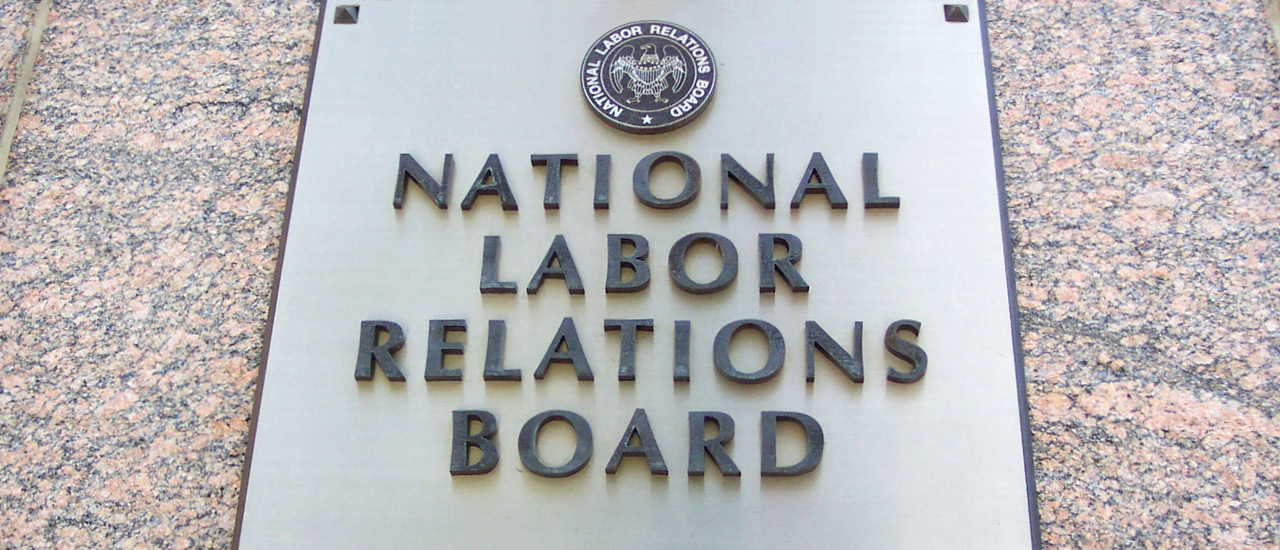
The National Labor Relations Board has ruled that Whole Foods lawfully prohibited employees from wearing masks, pins, and clothing with Black Lives Matter messaging.
In a 2-1 decision issued July 31, the board upheld an administrative law judge’s earlier finding that Whole Foods was not in violation of the National Labor Relations Act.
The case stemmed from the summer of 2020 following the murder of George Floyd in Minneapolis when workers at stores across multiple states were told to remove BLM masks, pins, and buttons or clock out.
Those employees who refused were disciplined or fired, based on the supermarket chain’s dress code adopted in 2013 as part of a settlement in a different NLRB case.
The case was a consolidation of 18 complaints brought by current and former Whole Foods employees.
In its decision, the board noted that as the employees wearing BLM apparel were not protesting their own working conditions, Whole Foods had the right to prohibit the clothing and discipline them.
Working Conditions
The board also ruled that Whole Foods’ dress code was not overly broad, reversing an administrative judge’s ruling that the policy was illegal.
The case centered on whether the employees’ conduct qualified as protected “concerted activity” under Section 7 of the NLRA.
The board found there was no connection between the messaging and employees’ own conditions of employment.
That section shields employees who act together to improve wages, hours, or working conditions.
The board found that while employees did act in concert with one another, there was no connection between the BLM messaging and their own terms and conditions of employment.
In the board’s view, the displays principally expressed support for a broader social movement rather than seeking changes inside the workplace, meaning the activity fell outside the NLRA’s protections.
Home Depot Case
Employers should note the board explicitly distinguished this decision from its 2024 ruling against Home Depot, where a worker was effectively terminated for refusing to remove BLM insignia from a work apron.
In that case, employees had tied their BLM messaging to specific, prior complaints about racial harassment from coworkers and customers—creating a direct link to workplace conditions.
The legal outcome in future disputes will likely turn heavily on the specific facts.
That distinction, later addressed by the Eighth Circuit Court of Appeals, means the legal outcome in future disputes will likely turn heavily on the specific facts: whether workers can point to concrete, pre-existing workplace grievances tied to their messaging, not just sympathy with an external cause.
For employers, the takeaway isn’t that all political or social-justice apparel is now fair game to prohibit.
Rather, the ruling reinforces that the analysis is fact-intensive, and a dress code policy that survives scrutiny in one case could still be vulnerable in another.
Takeaways for Employers
The NLRB’s decision is expected to be appealed, and given the board’s current composition, a future NLRB with a different partisan makeup could revisit the standard.
In the meantime, employers crafting or enforcing dress code policies should:
- Apply policies consistently across all forms of political or social messaging, not selectively against particular viewpoints, to avoid separate discrimination or retaliation claims.
- Document any legitimate business rationale for dress code restrictions, such as maintaining a neutral customer-facing environment.
- Review policy language against any existing NLRB settlements or past agreements to ensure current wording hasn’t inadvertently expanded restrictions.
- Recognize that if employees connect apparel or messaging to specific, documented workplace complaints, the legal analysis—and risk profile—changes substantially.
RELATED
EXPLORE BY CATEGORY


Stay Connected with CBIA News Digests
The latest news and information delivered directly to your inbox.

CBIA IS FIGHTING TO MAKE CONNECTICUT A TOP STATE FOR BUSINESS, JOBS, AND ECONOMIC GROWTH. A BETTER BUSINESS CLIMATE MEANS A BRIGHTER FUTURE FOR EVERYONE.